Autumn Budget 2026: 9 Changes for Small Businesses
By Phoebe Brunnock, Head of Digital Marketing at Cubefunder. Published 29th October 2026.
Key takeaway: The Autumn Budget 2026, announced on 28th October 2026, brings nine changes that matter to small businesses, and most start in April 2027. Retail, hospitality and leisure firms in England with a rateable value up to £18,000 could pay no business rates. The National Living Wage rises to £13.21 an hour. The first-year allowance on new equipment rises to 50%, and Business Asset Disposal Relief halves to £500,000. The best move now is to add these dates to your cash flow forecast.
The Chancellor delivered the Autumn Budget 2026 on Wednesday 28th October. For most small business owners, the question is simple: what does it change for me, and when?
We’ve picked out the nine changes most likely to affect a small business. Some will save you money, like wider business rates relief and bigger tax relief on equipment. Others add costs, like the minimum wage rise and fuel duty going back up. A few change how you deal with HMRC. Each one comes with a practical next step, and most don’t start until 2027, so there’s time to plan.
What’s in the Autumn Budget 2026 for small businesses?
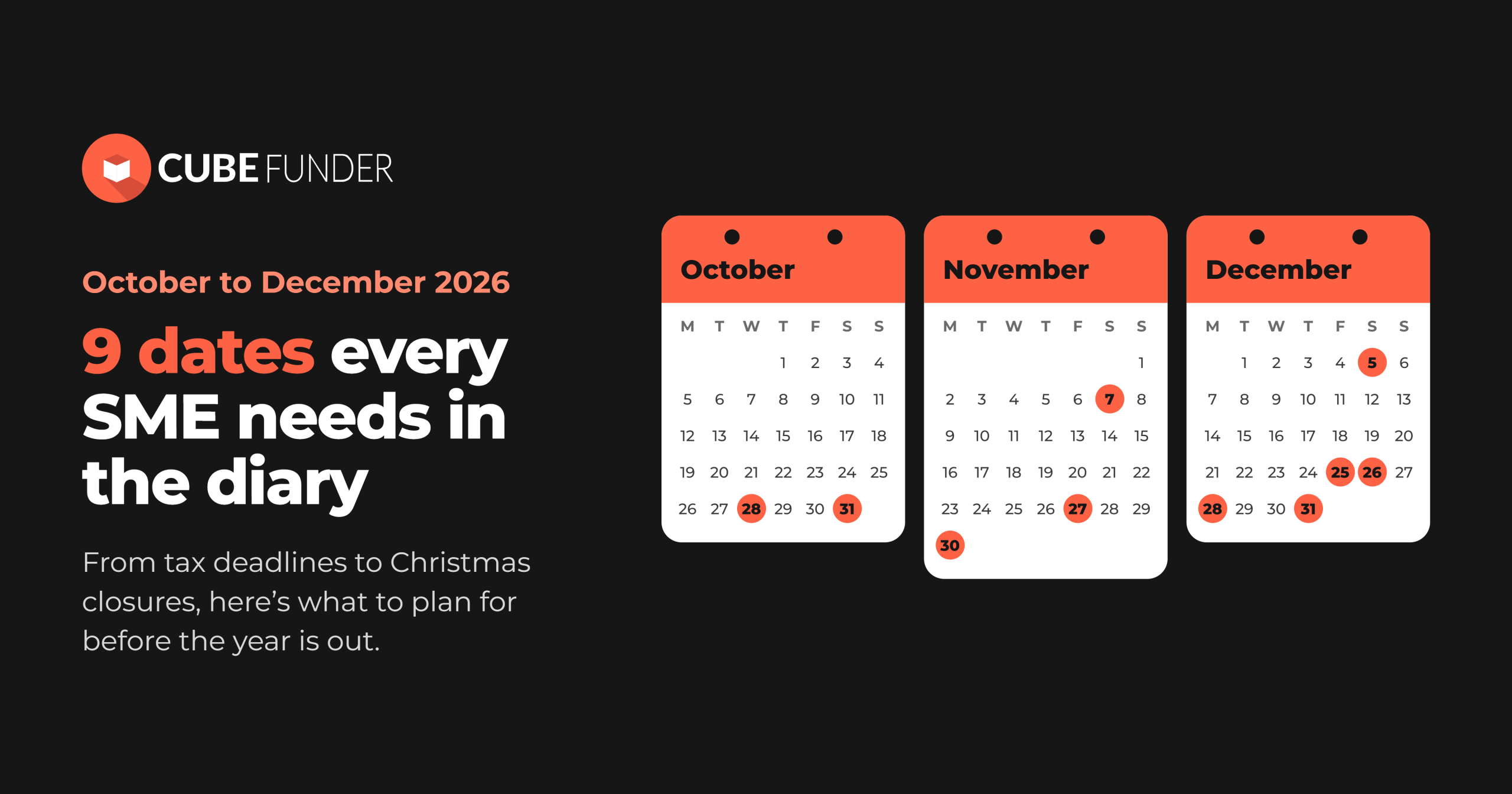
Here are the nine changes worth knowing about, in the order they start.
| Starts | What’s changing | Who it affects | Your to-do |
|---|---|---|---|
| Open now | Up to 25% off electricity bills from April 2027 | Energy-intensive manufacturers | Check eligibility and apply |
| 1st January 2027 | First-year allowance rises from 40% to 50% | Businesses buying new equipment | Ask your accountant about timing big purchases |
| April 2027 | 100% business rates relief up to £18,000 rateable value | Retail, hospitality and leisure in England | Look up your rateable value |
| 1st April 2027 | National Living Wage rises to £13.21 an hour | Anyone employing staff | Update your payroll forecast |
| April 2027 | Mileage rate over 10,000 miles rises from 25p to 35p | Anyone using their own vehicle for work | Review what you pay per mile |
| 6th April 2027 | Business Asset Disposal Relief limit halves to £500,000 | Owners planning to sell | Speak to your adviser before April |
| 1st July 2027 | Fuel duty cuts end | Businesses with vans, HGVs or red diesel | Budget for higher fuel costs |
| October 2027 | Marketplaces collect VAT from UK sellers | Sellers with £90,000+ a year on one platform | Check your prices and margins |
| April 2029 | VAT and PAYE paid by Direct Debit | VAT-registered businesses and employers | Set tax money aside as you go |
Source: HM Treasury, Budget 2026. Business rates measures apply in England only.
Will my business stop paying business rates?
If you run a shop, café, pub or other retail, hospitality or leisure business in England, you could pay no business rates from April 2027. The rateable value limit for 100% small business rates relief rises from £12,000 to £18,000 for these properties. Around 70,000 more businesses are expected to qualify.
There’s help just above the new limit too. Tapered relief now runs up to a rateable value of £21,000, so you pay reduced rates rather than the full bill. Bills for other retail, hospitality and leisure properties will be frozen in real terms for two years.
Rateable value is the figure the Valuation Office Agency sets for your property, based on its estimated yearly rent. It’s not the same as your rates bill.
Your to-do: look up your property’s rateable value (GOV.UK) and check whether you now fall under £18,000 or £21,000. If you trade in Wales, these changes don’t apply, because business rates there are set by the Welsh Government.
How much will the minimum wage rise cost my business?
From 1st April 2027, the National Living Wage rises 3.9% to £13.21 an hour. If you employ staff on or near the minimum wage, your wage bill goes up from that date. The lower rates rise too (GOV.UK).
| Age group | Hourly rate from 1st April 2027 |
|---|---|
| 21 and over | £13.21 (National Living Wage) |
| 18 to 20 | £11.27 |
| 16 and 17, and apprentices | £8.31 |
The National Living Wage is the legal minimum hourly rate for workers aged 21 and over.
A worked example
This example is illustrative only. Your figures will depend on your staff, hours and pay.
Imagine a café with six staff aged 21 and over, each on the National Living Wage for 30 hours a week. Their rate goes from £12.71 to £13.21, a rise of 50p an hour.
| Cost | Calculation | Extra a year |
|---|---|---|
| Wages | 50p × 30 hours × 52 weeks × 6 staff | £4,680.00 |
| Employer National Insurance | 15% of £4,680 | £702.00 |
| Workplace pension | 3% of £4,680 | £140.40 |
| Total | £5,522.40 |
That’s about £460 a month extra from April. The National Insurance line assumes the employer rate stays at 15% and each person earns above the threshold. Employment Allowance may reduce what you actually pay.
Your to-do: work out your own figure now and add it to your cash flow forecast from April 2027. If your prices need to rise to cover it, plan when and how you’ll tell customers.
What changes for tax relief on new equipment?
From 1st January 2027, the main rate first-year allowance rises from 40% to 50%. That means more tax relief in the first year on qualifying new equipment, such as machinery and vans.
A capital allowance lets you deduct some or all of the cost of business equipment from your profits before tax. A first-year allowance gives you a bigger share of that relief in the year you buy.
Full expensing stays for companies, so limited companies can still deduct the full cost of most new plant and machinery in the year they buy it. The main writing-down allowance, the yearly relief on equipment you don’t claim in full upfront, drops from 14% to 12% from April 2027. Which allowance helps you most depends on whether you’re a company or self-employed, what you’re buying and how much you spend each year.
Your to-do: if you’re planning to buy machinery or vehicles, ask your accountant whether to buy before or after April 2027.
What if I’m planning to sell my business?
From 6th April 2027, the lifetime limit for Business Asset Disposal Relief halves from £1 million to £500,000. Gains above the new limit when you sell all or part of your business will be taxed at the normal Capital Gains Tax rates.
Business Asset Disposal Relief (formerly Entrepreneurs’ Relief) reduces the Capital Gains Tax you pay when you sell qualifying business assets, such as shares in your own company (GOV.UK).
The Budget also introduces a new Founders’ Relief: 10% Capital Gains Tax on up to £10 million of lifetime gains, for qualifying founders of high-growth, innovative companies. Most small businesses won’t meet that test, but it’s worth asking about if you’ve built a fast-growing company.
Your to-do: if you’re thinking of selling in the next few years, speak to your accountant or tax adviser before April 2027.
What else in the Budget affects small businesses?
Five more changes affect fuel, mileage, energy, online selling and how HMRC collects tax. Some only touch certain sectors, so check which apply to you.
Fuel duty stays down until 1st July 2027
The 5p cut in fuel duty is extended to 1st July 2027. The 3.7p cut on red diesel and the HGV road tax holiday also run until then. Duty is due to go up after that.
Your to-do: if you run vans, lorries or machinery, budget for higher fuel costs from July 2027.
Higher mileage rates for using your own vehicle
The 55p tax-free rate per mile for the first 10,000 business miles is now permanent. From April 2027, the rate for miles over 10,000 rises from 25p to 35p. This covers employees and the self-employed using their own car or van for work.
Your to-do: if staff drive their own vehicles for work, review what you pay them per mile.
Cheaper electricity for energy-intensive manufacturers
The British Industrial Competitiveness Scheme will cut electricity bills by up to 25% for over 10,000 energy-intensive manufacturers from April 2027. Eligible firms also get a back payment for 2026–27, and applications are already open.
Your to-do: if you’re a manufacturer with high energy use, check whether you’re eligible and apply.
Online marketplaces will collect VAT from UK sellers
From October 2027, UK businesses selling more than £90,000 a year through a single online marketplace will have their VAT collected by the marketplace.
Your to-do: if you sell on marketplaces, check what this does to your prices, margins and cash flow.
HMRC is stepping up tax collection
HMRC is getting 670 extra compliance officers. From April 2029, VAT and PAYE must be paid by Direct Debit. From July 2029, HMRC can take smaller tax debts straight from the bank accounts of people who can pay but keep missing payments.
Your to-do: set money aside for tax bills as you go, so they don’t land all at once. If cash is tight now, read our guide to using a business loan to pay VAT, which also covers HMRC’s Time to Pay plan.
What should you sort before April 2027?
Most of these changes start in April 2027, so the next five months are your planning window. Three things are worth doing now:
- Update your forecasts: add the wage rise from 1st April 2027 and higher fuel duty from 1st July 2027.
- Plan big purchases: ask your accountant how the 50% first-year allowance and the lower writing-down allowance affect when you buy.
- Put money aside for tax: HMRC is getting stricter, so set money aside as you go and avoid tax bills landing all at once.
For the tax deadlines and trading dates between now and the end of the year, see our Q4 2026 key dates for UK small businesses.
Frequently asked questions
What does the Autumn Budget 2026 mean for small businesses?
The Autumn Budget 2026 brings nine changes for small businesses, and most start in April 2027. Retail, hospitality and leisure firms in England could pay no business rates, the National Living Wage rises to £13.21 an hour and the first-year allowance rises to 50%. Business Asset Disposal Relief halves to £500,000.
When does the National Living Wage go up in 2027?
The National Living Wage rises to £13.21 an hour on 1st April 2027, up 3.9%. The rate for 18 to 20 year olds rises to £11.27, and the rate for 16 and 17 year olds and apprentices rises to £8.31. Employers should add the higher wage bill to their forecasts now.
Which businesses get 100% business rates relief from April 2027?
Retail, hospitality and leisure properties in England with a rateable value up to £18,000 get 100% small business rates relief from April 2027, up from £12,000. Tapered relief applies up to £21,000. Around 70,000 more businesses are expected to pay no business rates. Wales sets its own rates.
What is the first-year allowance in the Autumn Budget 2026?
From 1st January 2027, the main rate first-year allowance rises from 40% to 50%, giving more tax relief in year one on qualifying new equipment. Full expensing stays for companies. The main writing-down allowance falls from 14% to 12% from April 2027. Ask your accountant how this affects your purchases.
What happens to Business Asset Disposal Relief in 2027?
From 6th April 2027, the lifetime limit for Business Asset Disposal Relief halves from £1 million to £500,000. Gains above the limit are taxed at normal Capital Gains Tax rates. A new Founders’ Relief offers 10% on up to £10 million for qualifying founders of high-growth, innovative companies.
Will HMRC take tax directly from my bank account?
From April 2029, VAT and PAYE must be paid by Direct Debit. From July 2029, HMRC can take smaller tax debts straight from the bank accounts of people who can pay but keep missing payments. The simplest protection is to set tax money aside as you earn it.
Is the Budget changing your plans for 2027?
Some of these changes may mean spending before you see the benefit, such as bringing forward an equipment purchase or refitting your premises. For one-off costs like these, Cubefunder offers short-term business loans from £5,000 to £100,000 for limited companies in England and Wales, with fixed daily or weekly repayments. Borrowing isn’t right for every change, though. A rise in a regular cost, like wages, needs to be covered by your income over time, so compare your options and make sure repayments are affordable.
See how our process works, then check your eligibility. It takes under a minute and won’t affect your credit score.
This article summarises selected Autumn Budget 2026 measures as announced, and some may change before they become law. It is general guidance only and isn’t tax or financial advice. Tax relief depends on your circumstances, so speak to your accountant. Business rates measures apply in England. Cubefunder is a trading name of Tallaght Financial Ltd (company number 09261403). Tallaght Financial Ltd is authorised and regulated by the Financial Conduct Authority (FRN 786297). Loans to limited companies are not regulated by the FCA. All lending is subject to status.